
Dr. Murali D. Sharath
4534 Bonney Rd Ste B,
Virginia Beach, VA 23462
516 Innovation Drive, Ste 306, Chesapeake, VA 23320
Let us help you breathe better.

Allergy & Asthma Center
Allergy & Asthma Center is a licensed medical center with over 30 years of experience in the allergy and immunology industry. Our medical staff uses cutting-edge technology to provide long-term relief proof individualized care.
Working in the field of Allergy & Immunology for over 30 years

Allergies
We provide allergy testing
and treatment for patients of all ages. We have the solution to your indoor and outdoor allergy conditions.
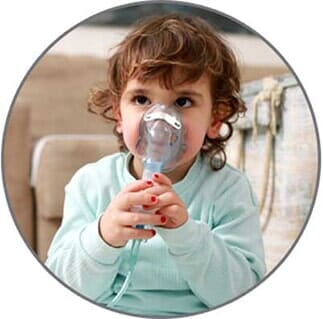
Asthma
We will diagnose and get you on a treatment plan
to control your asthma. We will educate you on the trigger that cause asthma attacks.
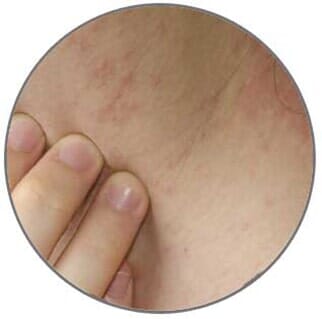
Skin Allergies
Skin allergies can occur both seasonally and throughout the year. If you are experiencing any rashes or irritations, we can help.
Learn About Allergy & Asthma Center
At our allergy center and asthma center in Virginia Beach, Virginia, we're committed to caring for your needs. Thank you for visiting our website. Our physician and caring, dedicated staff will provide diagnosis and treatment of your allergy, asthma and chronic breathing conditions. Our goal is to improve your quality of life though better breathing. We have been serving patients in the Hampton Roads area since for over three decades.
Call to schedule an appointment at either our Virginia Beach or Chesapeake location. Our Virginia Beach office is located near Town Center, and our Chesapeake office is minutes from Chesapeake General Hospital.
Learn More About Allergy & Asthma Center
Call to schedule an appointment at either our Virginia Beach or Chesapeake location. Our Virginia Beach office is located near Town Center, and our Chesapeake office is minutes from Chesapeake General Hospital.
Learn More About Allergy & Asthma Center
Contact our allergy and asthma center in Virginia Beach, Virginia, for complete care and treatments tailored to you.
Contact Us Today
Allergy & Asthma Center
Tel: 757-499-4101
Address: 4534 Bonney Rd Ste B, Virginia Beach, VA 23462
Address: 4534 Bonney Rd Ste B, Virginia Beach, VA 23462
Address: 516 Innovation Drive, Ste 306, Chesapeake, VA 23320
Tel:
757-549-5196
Hours of Operation:
Hours of Operation:
| Mon | 9:00 AM - 6:00 PM |
| Tue | 9:00 AM - 5:00 PM |
| Wed-Thu | 9:00 AM - 6:00 PM |
| Fri | 9:00 AM - 1:00 PM |
| Sat-Sun | Closed |
Payment Options





Accepting Most Medical Insurances